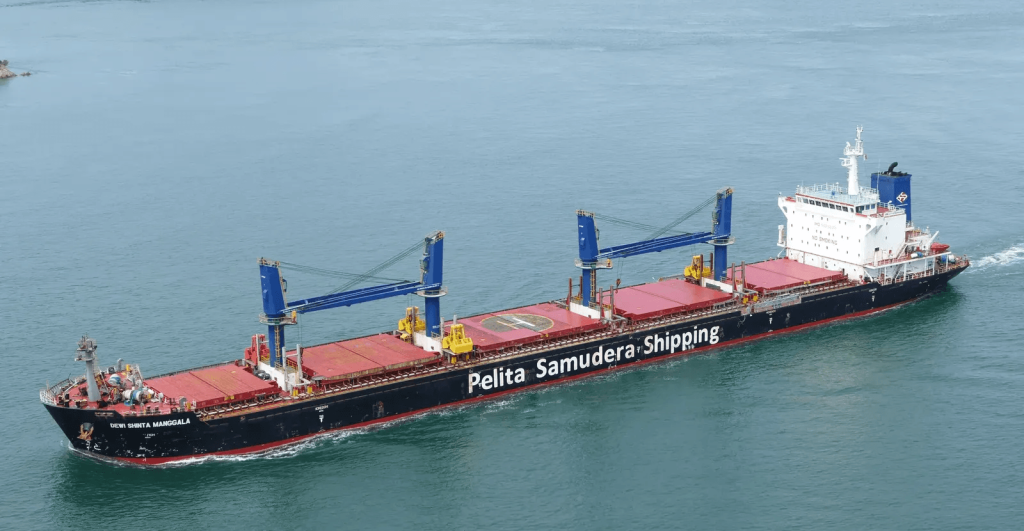
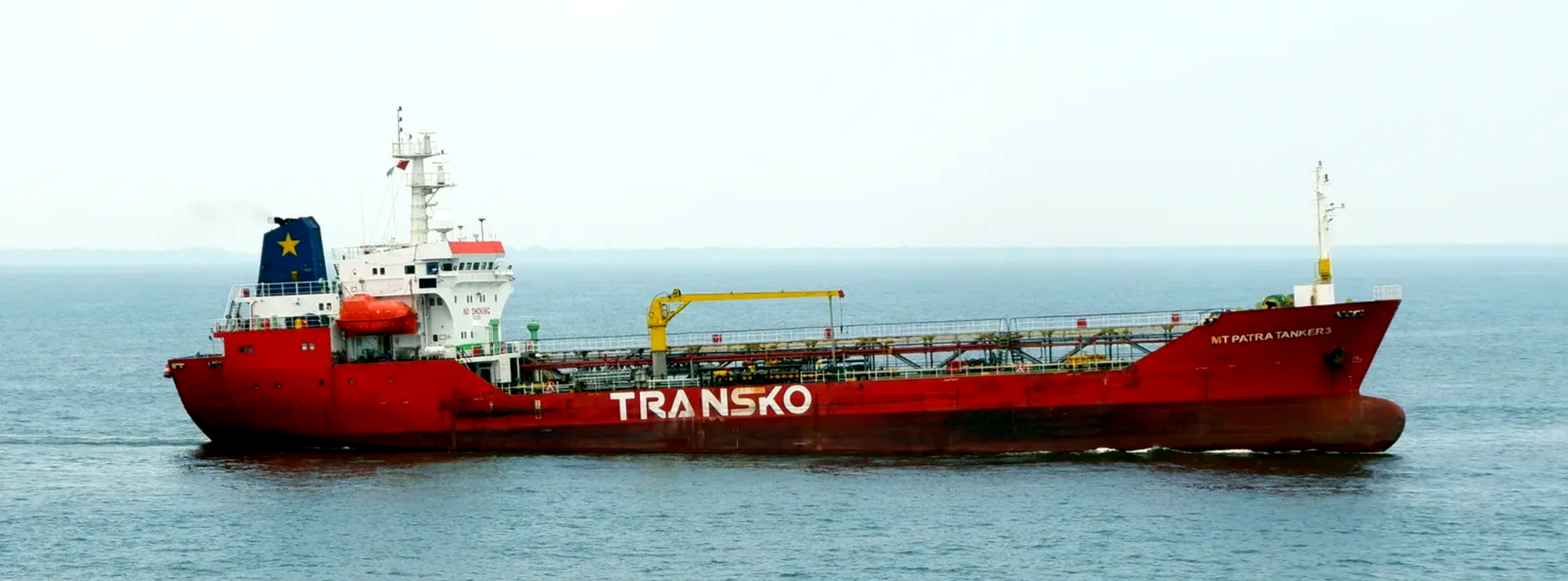
The Auxiliary Engine is a critical power source on tanker vessels such as MT Patra Tanker 3, supplying electricity for navigation systems, cargo operations, lighting, and essential onboard equipment. To ensure safe and reliable operation, the auxiliary engine is equipped with various safety devices designed to detect abnormal conditions and prevent serious damage.
When these safety devices fail or malfunction, immediate troubleshooting is required to maintain operational safety and prevent engine breakdown. This article explains the process, causes, and benefits of troubleshooting safety devices of the auxiliary engine on MT Patra Tanker 3.
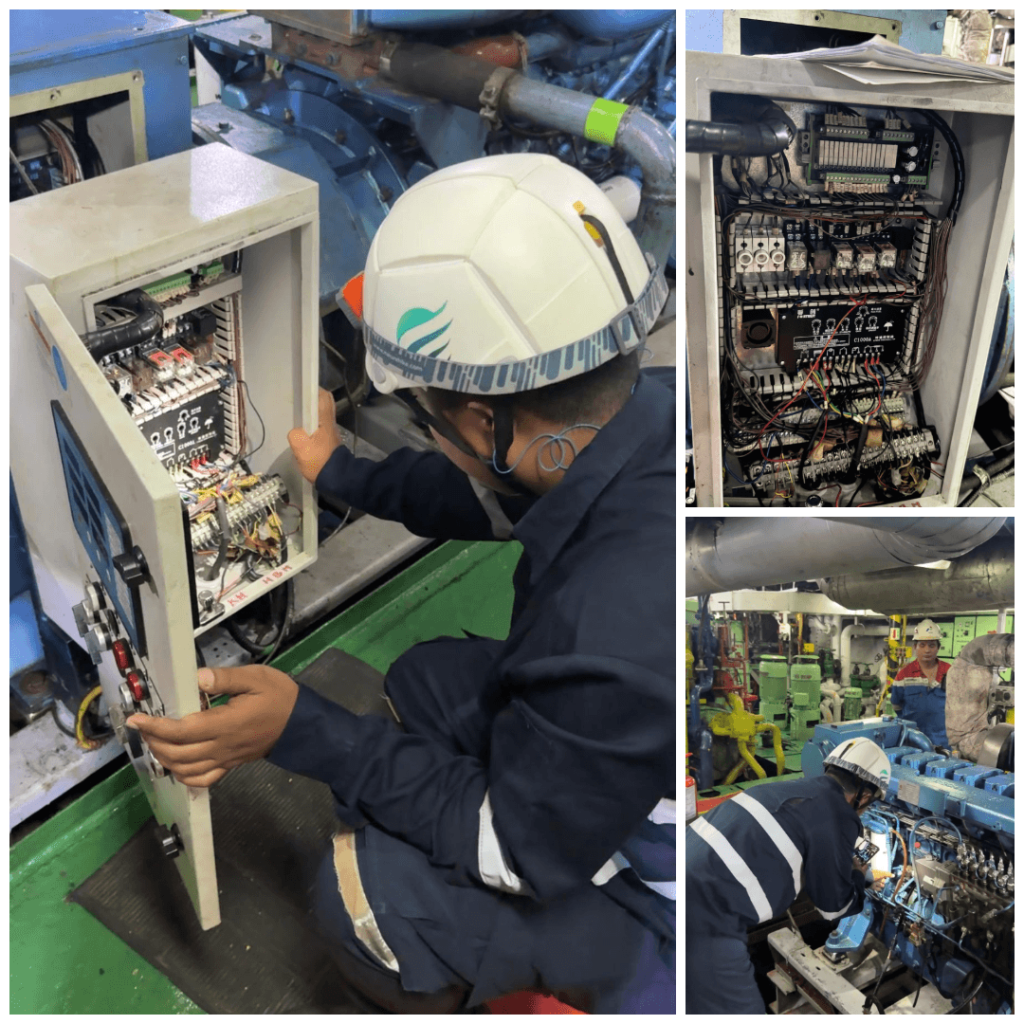
Safety devices are protective systems that monitor engine parameters and trigger alarms or automatic shutdown (trip system) when abnormal conditions occur. Key safety devices include:
- Low lubricating oil pressure alarm
- High cooling water temperature alarm
- Overspeed trip device
- High exhaust gas temperature alarm
- Crankcase oil mist detector
- Emergency shutdown system
These devices are essential to protect the engine and ensure safe vessel operation.
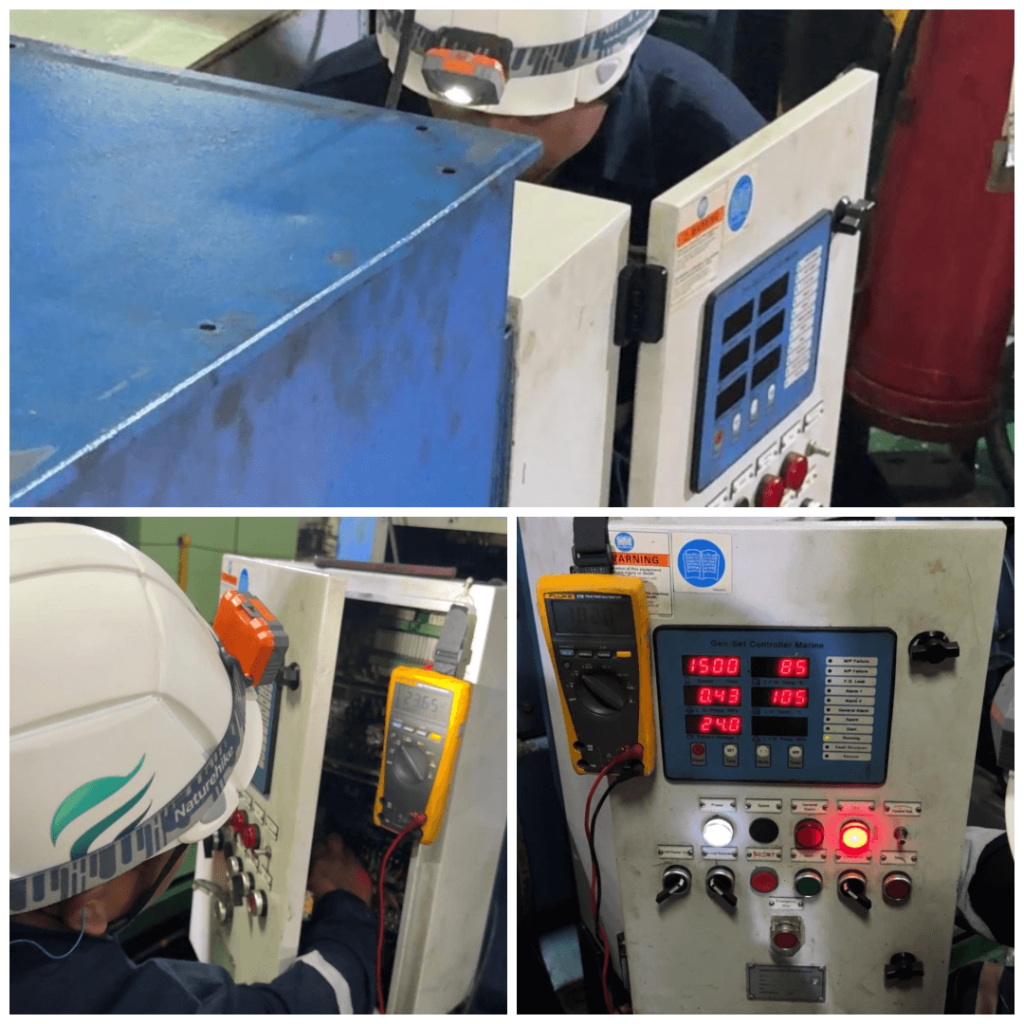
Common Causes of Safety Device Failure
Failures in safety devices on MT Patra Tanker 3 may occur due to:
- Faulty or inaccurate sensors
- Loose or corroded wiring connections
- Control module or PLC malfunction
- Incorrect calibration
- Contamination from oil, dirt, or moisture
- Component aging and wear
Early detection and repair are crucial to prevent safety risks.
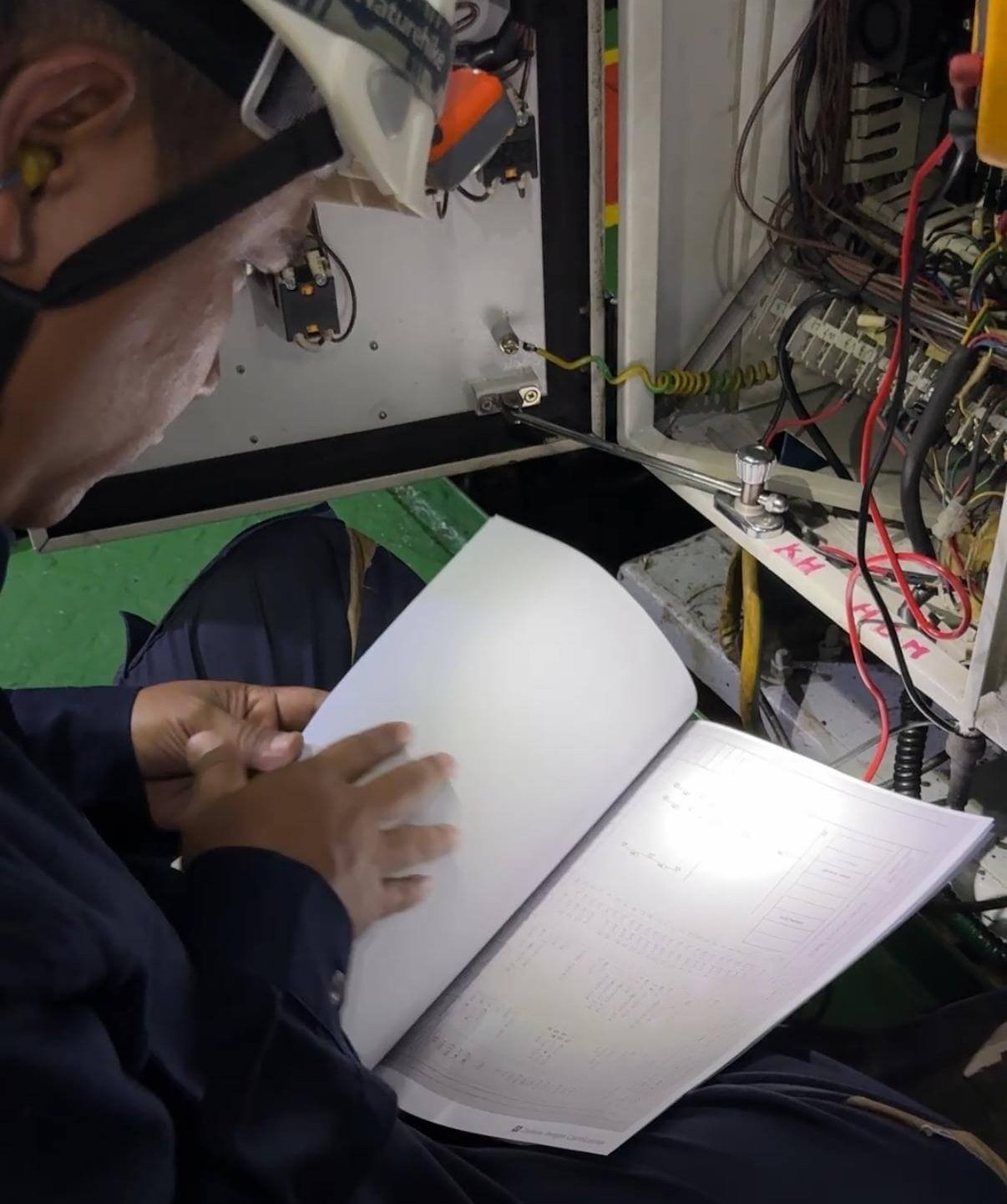
Troubleshooting Process for Safety Devices
1. Preparation and Safety Procedures
- Conduct toolbox meeting
- Apply Lock-Out Tag-Out (LOTO) procedures
- Prepare tools such as multimeter, pressure gauge, and temperature tester
- Ensure engine is in a safe condition for inspection
2. Problem Identification
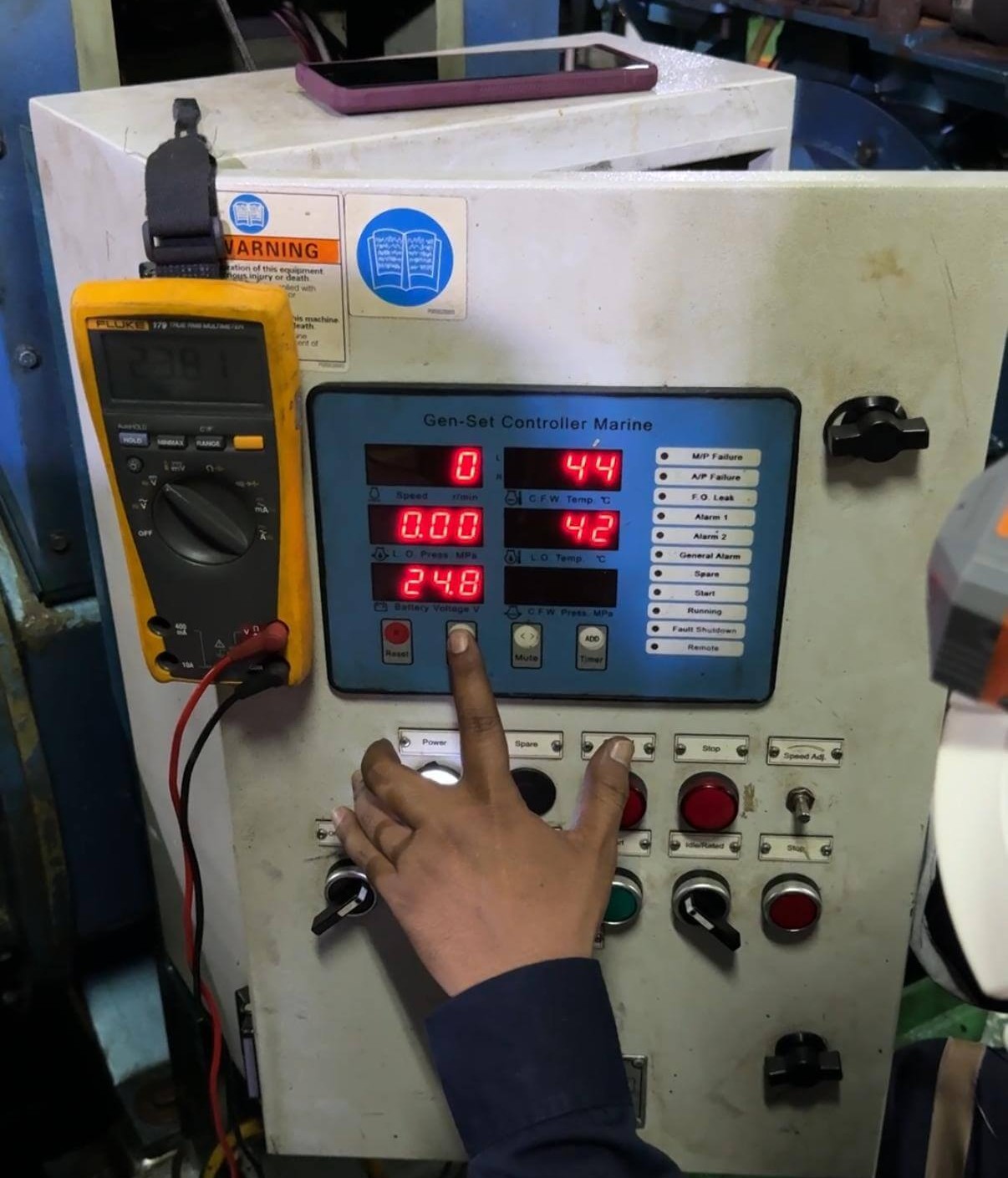
- Analyze alarm indications on the control panel
- Review alarm history and trip logs
- Identify the faulty safety device or system
3. Sensor and Instrument Inspection
- Check lubricating oil pressure sensors
- Inspect cooling water temperature sensors
- Test exhaust gas temperature sensors
- Perform calibration according to manufacturer standards
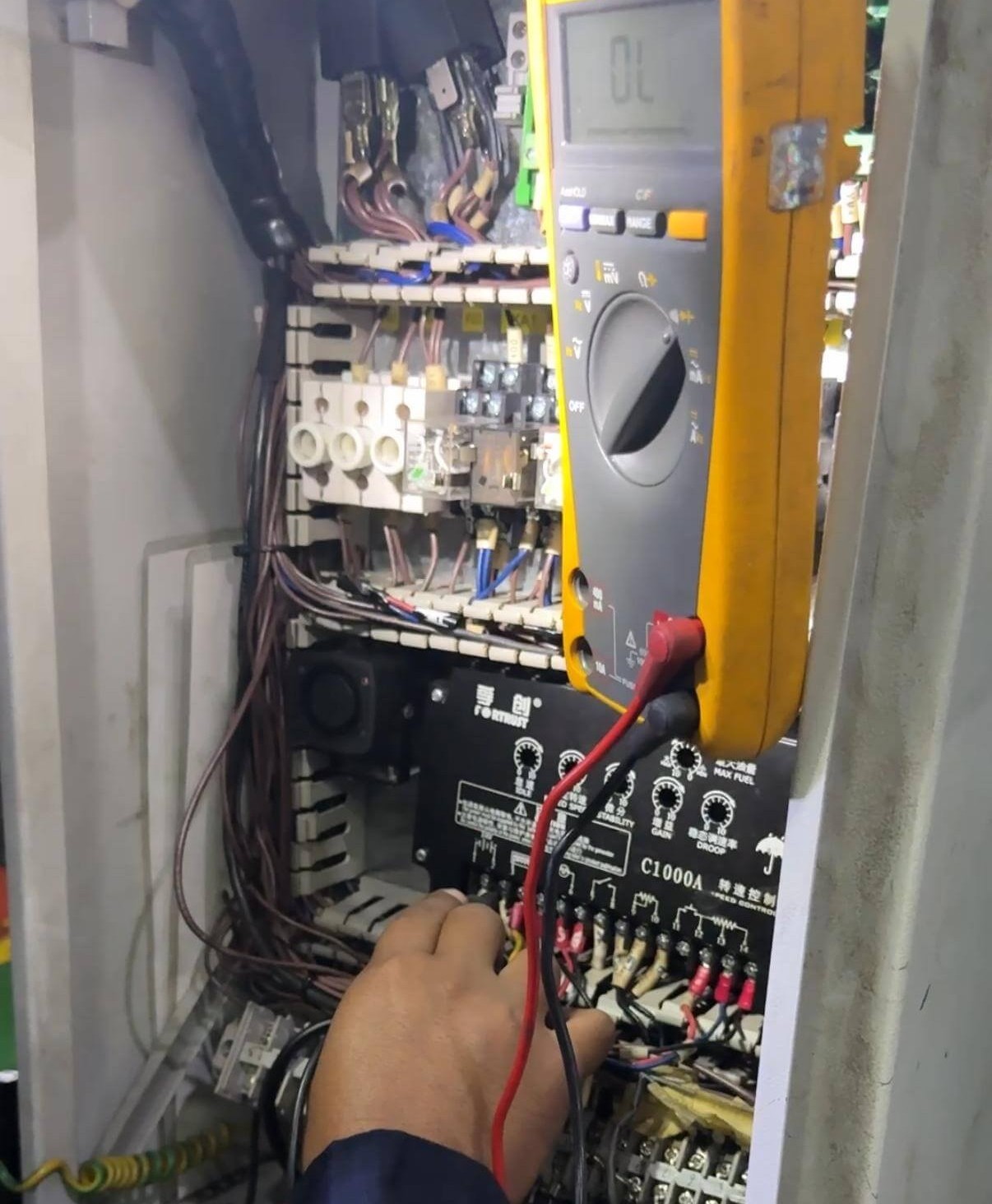
4. Electrical System Inspection
- Perform continuity testing on cables
- Inspect terminals and connectors
- Measure input and output voltage
- Check for short circuits or broken wiring
5. Control Unit Inspection
- Inspect control modules or PLC systems
- Check relays and fuses
- Reset or reprogram system if required
6. Repair and Replacement
- Replace faulty sensors
- Repair or replace damaged wiring
- Replace defective relays or control modules
- Clean contaminated components
7. Testing and Commissioning
- Simulate abnormal conditions to test alarm response
- Test automatic trip functions
- Verify all safety devices are functioning properly
- Record and document test results
Benefits of Troubleshooting Safety Devices
Effective troubleshooting provides several key benefits:
- Prevents major engine damage
- Enhances crew and vessel safety
- Ensures proper functioning of protection systems
- Reduces operational downtime
- Complies with classification and safety standards
Conclusion
Troubleshooting safety devices of the auxiliary engine on MT Patra Tanker 3 is a critical maintenance activity to ensure engine protection and safe vessel operation. Through systematic inspection of sensors, electrical systems, and control units, followed by proper testing, all safety devices can be restored to optimal performance.
Regular troubleshooting and maintenance ensure that the auxiliary engine remains reliable, efficient, and safe for continuous operation.