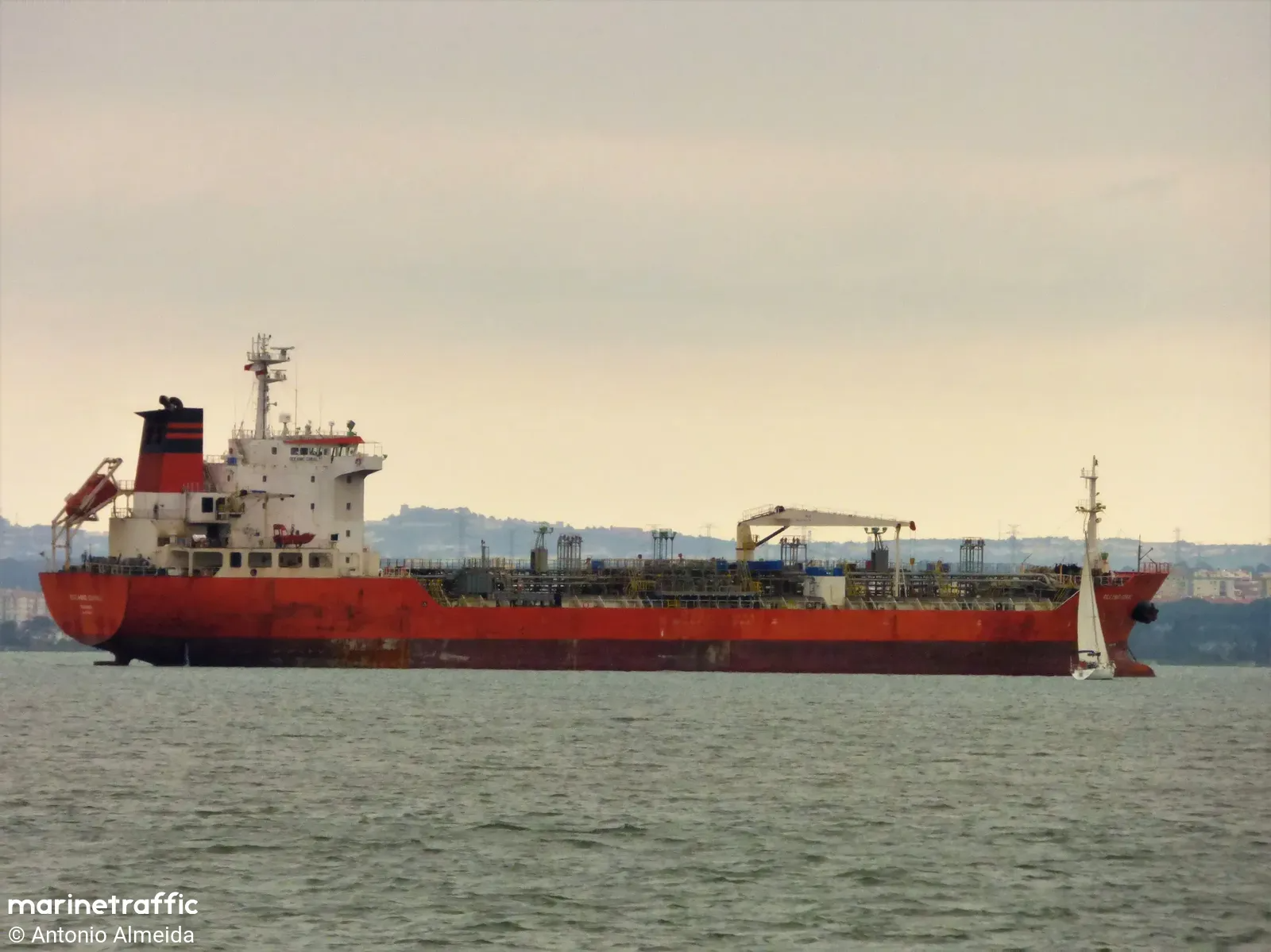
The auxiliary engine is the primary power source on tankers like MT Maritim Indonesia. This engine operates generators, pumps, navigation systems, and other critical equipment. One of its most vital components is the crankshaft, which converts the piston’s up-and-down motion into mechanical rotation.
When the crankshaft experiences severe wear, cracks, or serious damage, replacing it with a new unit is mandatory to maintain the auxiliary engine’s reliability. This article fully discusses the process of replacing a new crankshaft on MT Maritim Indonesia vessels, including technical procedures, safety standards, and benefits.
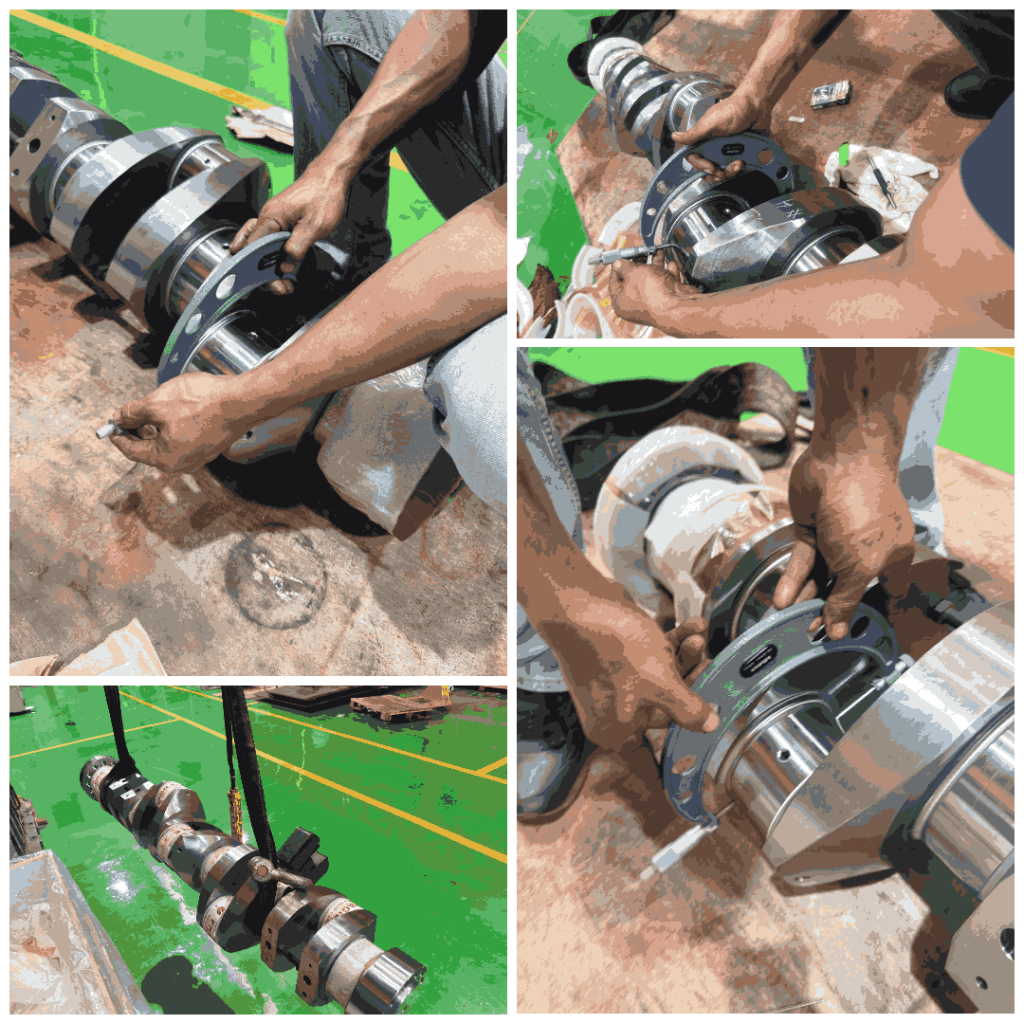
What Is an Auxiliary Engine Crankshaft?
The crankshaft is a key component in a diesel engine, operating continuously under high loads. In auxiliary engines, the crankshaft rotates thousands of hours each year to keep all ship systems functioning.
Crankshaft damage is usually caused by:
1.Lack of lubrication (oil starvation)
2.Journal wear (main journal and crankpin)
3.Engine misalignment
4.Shock load
5.Fatigue cracking or overheating
If the damage exceeds the manufacturer’s tolerance limits, a new crankshaft replacement is required.
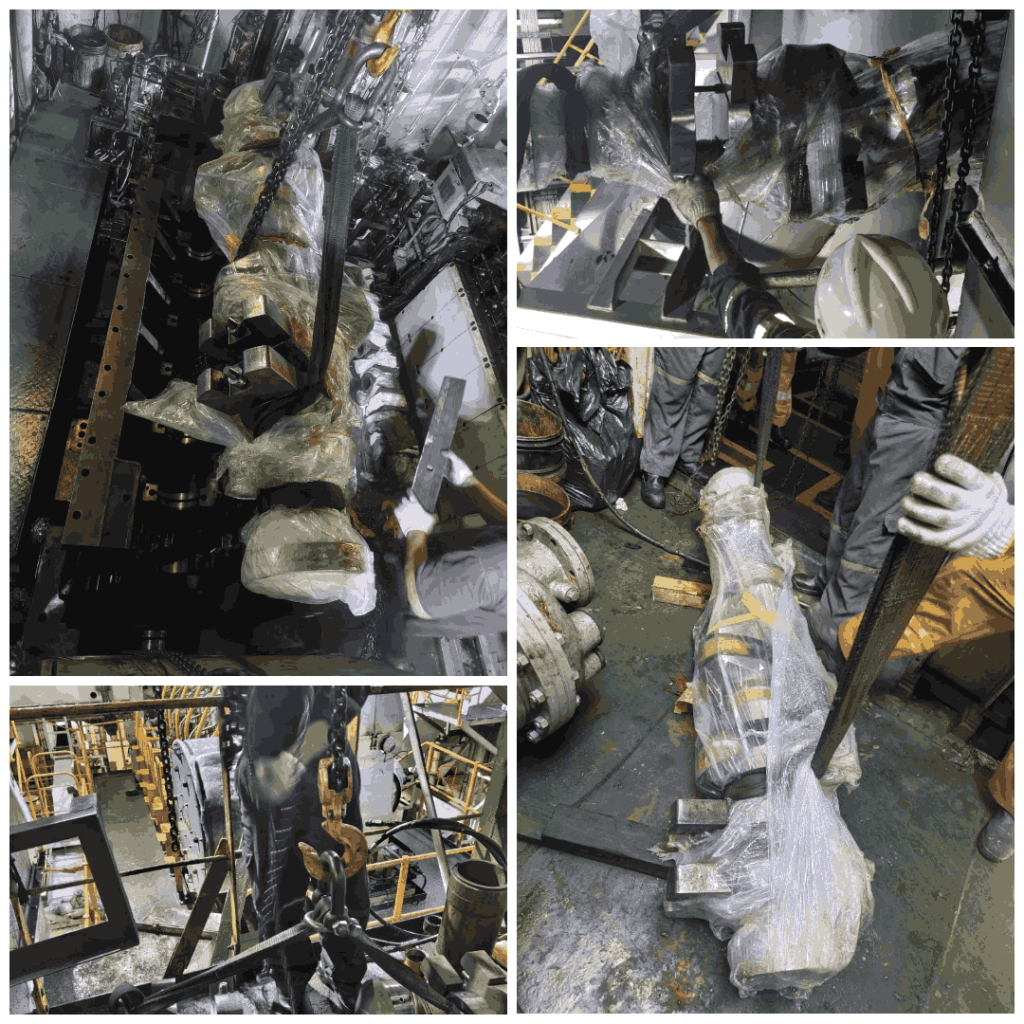
Crankshaft Replacement on MT Maritim Indonesia
On MT Maritim Indonesia ships, crankshaft replacement is carried out due to the following indications :
- The journal wear limit value exceeds the standard.
2. Cracks were found using the magnetic particle test (MPT).
3. Abnormal clearances in the main bearing and connecting rod bearing.
4. Increased engine vibration.
5. Decreased auxiliary engine oil pressure.
6. Crankshaft running hours are high and approaching the major overhaul limit.
The replacement step prevents potential fatal damage that could cause engine breakdown while the ship is operating.
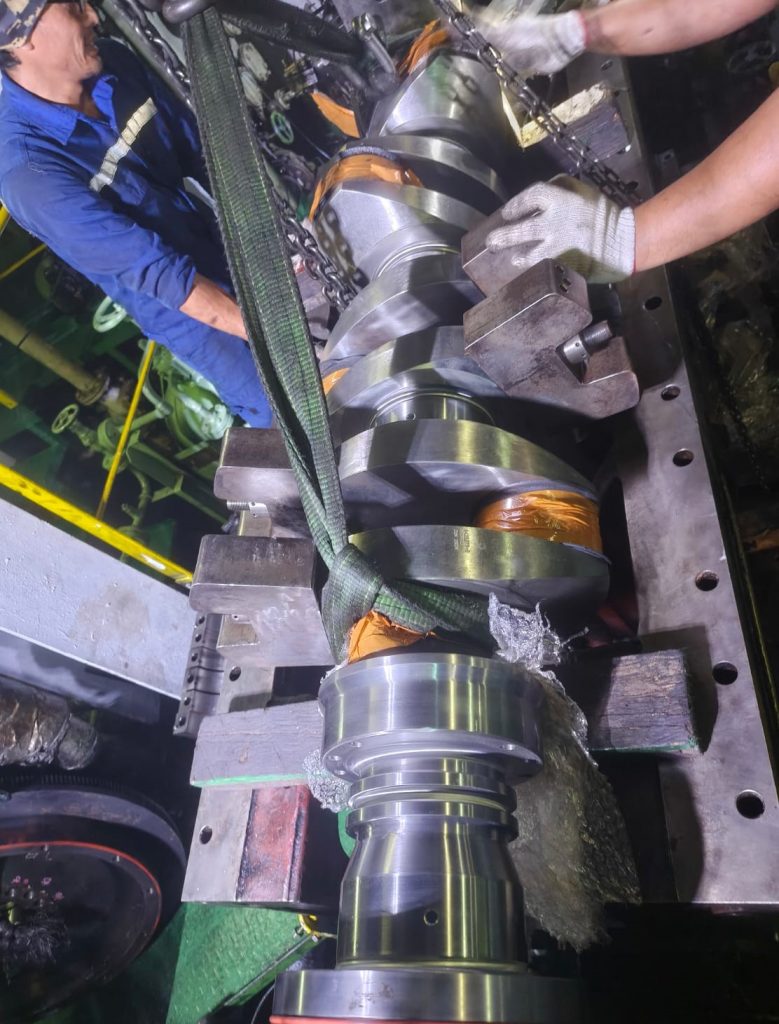
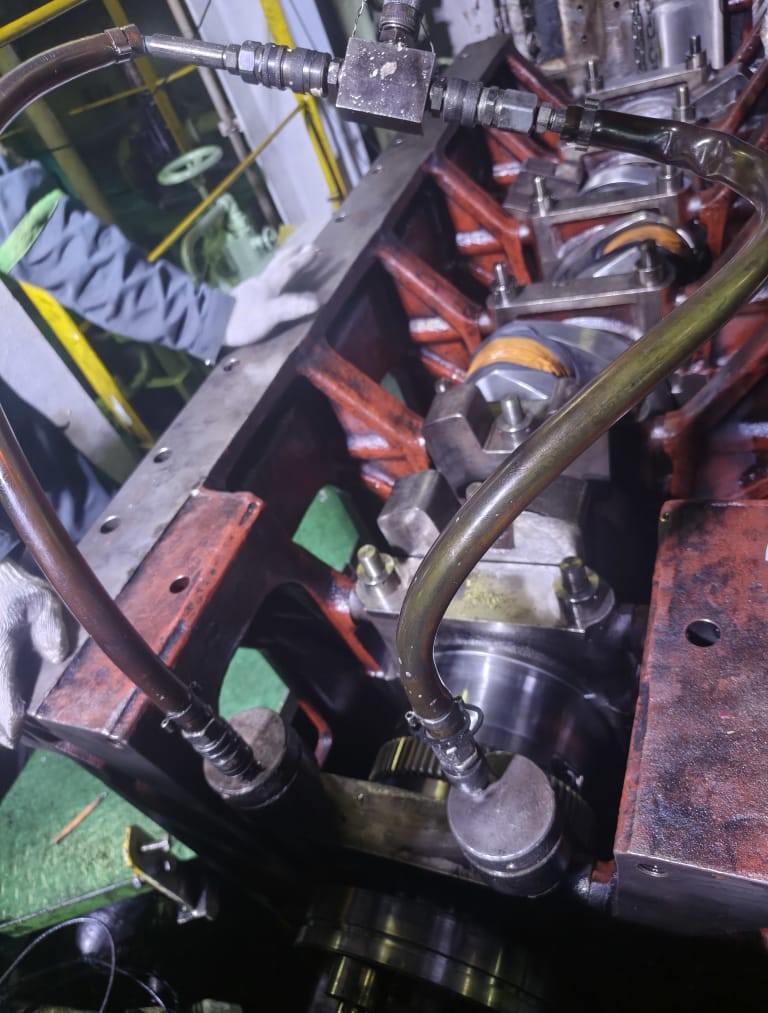
Scope of Work: Replace New Crankshaft Auxiliary Engine
Preparation Stage
- Coordinate with the Chief Engineer
2. Perform Lockout and Tagout of all machine systems
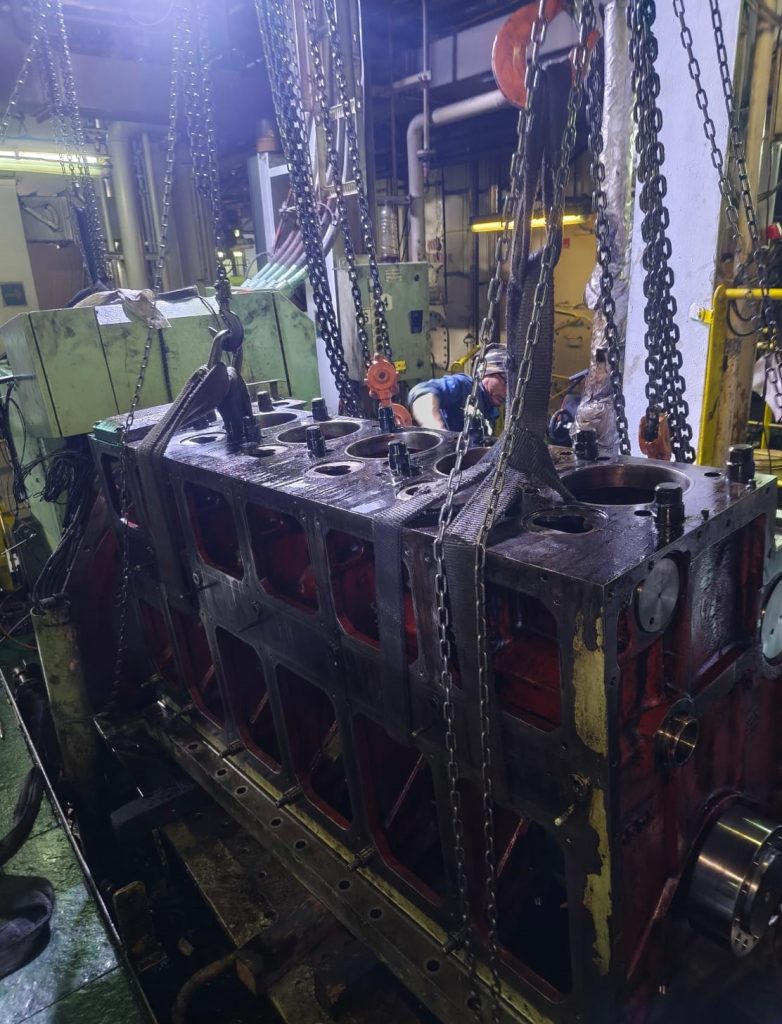
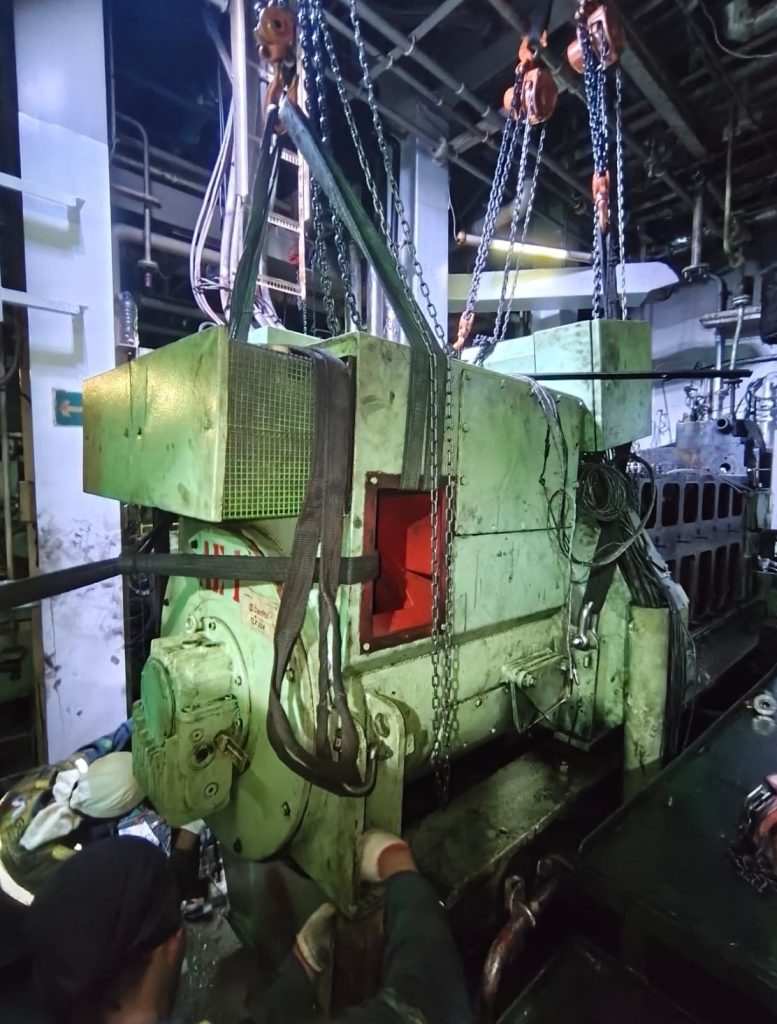
3. Install crane/chain block for lifting
4. Drain lubricating oil and remove oil filter
5. Record initial machine conditions (vibration, oil pressure, noise)
Disassembly of Machine Components
Dismantle the Cylinder Head and Piston
- Remove the fuel pipe, cooling pipe, and rocker arm.
2. Remove the cylinder head.
3. Remove the piston and connecting rod with a lifting tool.
Dismantle Sump Tank and Main Bearing
- Opening the crankcase door
2. Lowering the sump tank and cleaning the sludge
3. Removing the main bearing cap and thrust bearing
4. Measuring the wear of the old bearing (as a reference for damage)
New Crankshaft Installation
Installation
- Lubricate all journals with pre-lube oil
2. Install the crankshaft into position on the engine frame
3. Adjust the main bearing clearance with Plastigauge
4. Ensure that the thrust clearance meets specifications
Engine Component Tuning
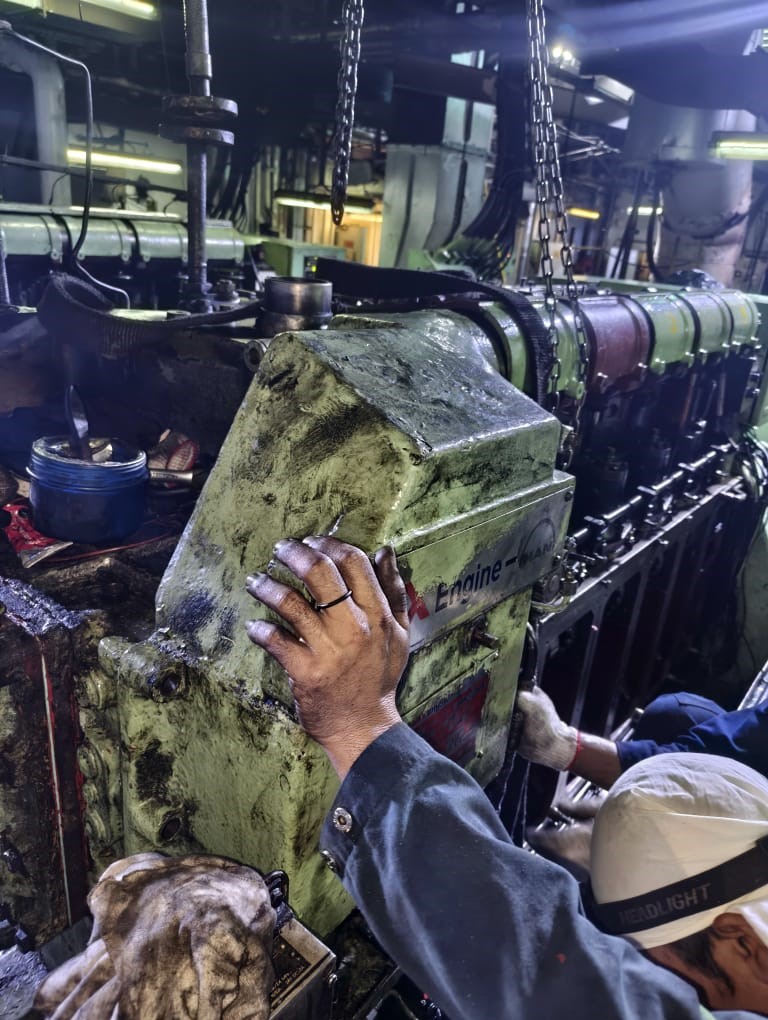
- Reinstalling the connecting rod and piston
2. Setting the connecting rod bolt torque
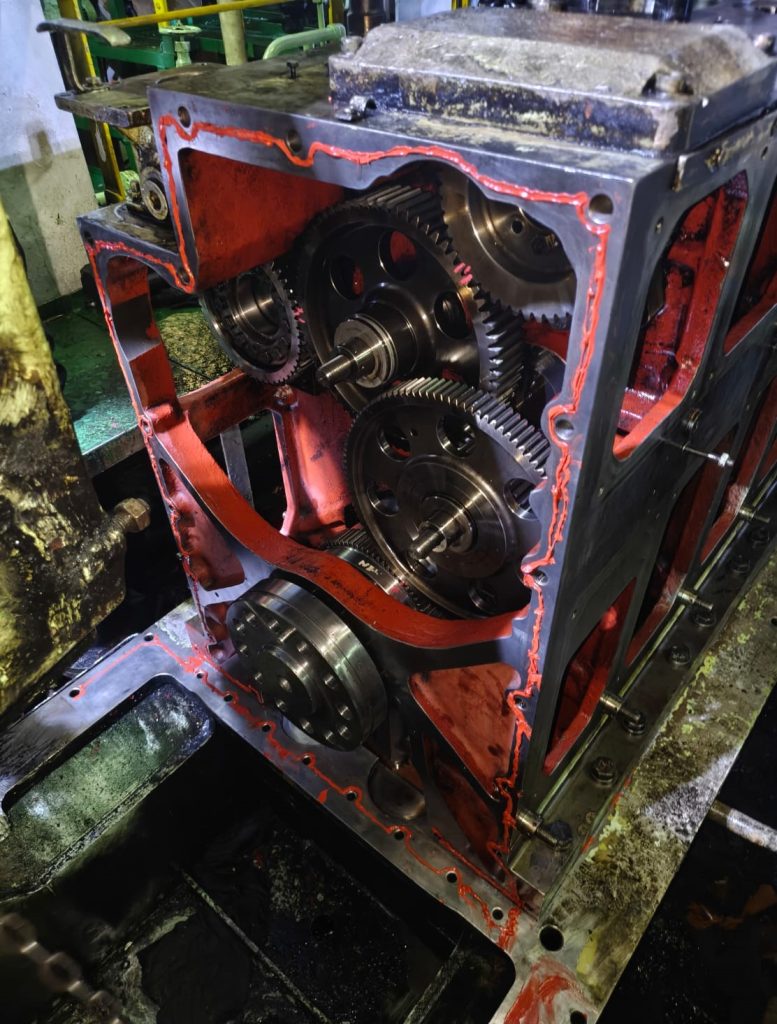
3. Adjusting gear backlash, if any
4. Cleaning the oil cooler and replacing the lubricating oil
5. Replacing the main bearing and conrod bearing, if necessary
Running Test
- Running the engine at idle → half load → full load
2. Monitoring parameters:
3. Oil pressure
4. Bearing temperature
5. Vibration level
6. Engine noise
Conclusion
Replacing the new auxiliary engine crankshaft on MT Maritim Indonesia vessels is a major undertaking that requires precision, high safety standards, and professional mechanical expertise. With the new crankshaft installed and tested, the auxiliary engine can operate more stably, efficiently, and safely during shipping operations.