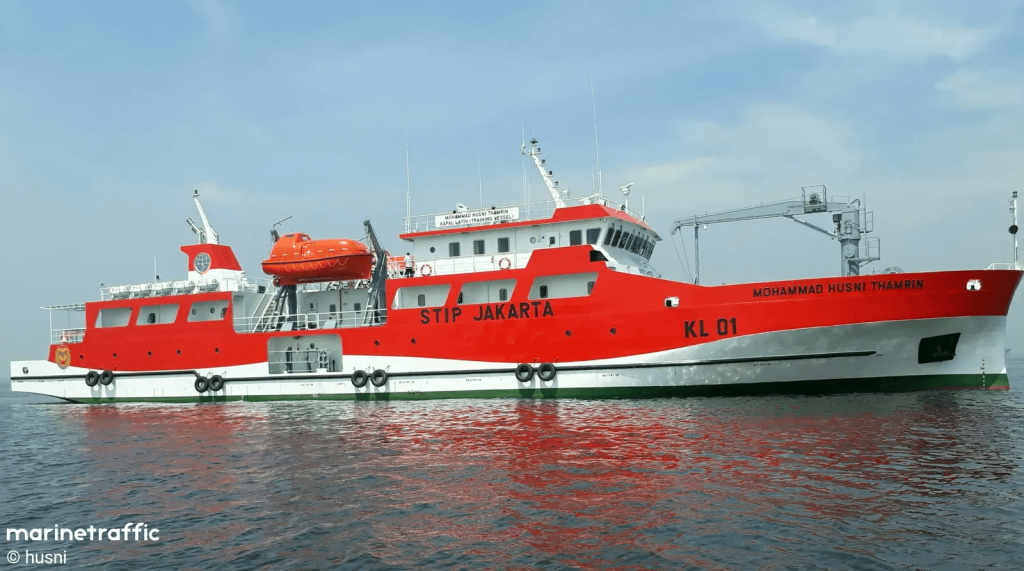

The brake system onboard vessels plays a vital role in ensuring safe operation of winches, windlasses, cranes, and other rotating machinery. On tanker vessels such as MT. GAMALAMA, worn or damaged brake linings can significantly reduce braking efficiency and pose serious safety risks. Therefore, fabrication and installation of brake lining is an essential maintenance activity to restore system reliability and ensure compliance with marine safety standards.
This article outlines the process, technical considerations, and benefits of fabrication and installing brake lining on MT. GAMALAMA.

What Is Brake Lining in Marine Applications?
A brake lining is a friction material attached to brake shoes or bands that generates resistance when applied to rotating equipment. In marine applications, brake linings are commonly used on:
- Mooring winches
- Windlasses
- Deck cranes
- Cargo handling equipment
Brake lining materials must withstand high loads, friction, heat, and harsh marine environments.
Reasons for Fabrication and Replacement of Brake Lining
Brake lining fabrication and replacement are required due to:
- Excessive wear from continuous operation
- Reduced braking efficiency
- Glazing or hardening of friction surfaces
- Cracking or separation of lining material
- Oil contamination
- Compliance with planned maintenance schedules
Timely replacement ensures safe operation of deck machinery.

Scope of Work: Fabrication and Installing Brake Lining
1. Preparation and Safety Measures
- Coordination with ship officers and crew
- Lock-Out Tag-Out (LOTO) implementation
- Isolation of equipment power sources
- Preparation of tools, lifting devices, and materials
2. Dismantling of Brake Components
- Removal of worn brake lining
- Cleaning of brake shoes or brake bands
- Inspection of brake drum condition
- Measurement of brake dimensions
3. Fabrication of Brake Lining
- Selection of marine-grade friction material
- Cutting and shaping according to brake shoe dimensions
- Drilling and preparation of mounting holes
- Quality inspection of fabricated lining
All fabricated brake linings are produced to meet equipment manufacturer specifications.
4. Installation of Brake Lining
- Installation of new brake lining onto brake shoes
- Secure fastening using rivets or bolts
- Proper alignment with brake drum
- Adjustment of brake clearance and tension
5. Testing and Commissioning
- Functional testing of brake operation
- Load testing (if applicable)
- Verification of braking force and response
- Final inspection and safety confirmation

Benefits of Proper Brake Lining Fabrication and Installation
Carrying out brake lining fabrication and installation on MT. GAMALAMA provides several key benefits:
- Restored braking efficiency
- Improved safety during mooring and cargo operations
- Reduced risk of equipment failure
- Extended service life of brake components
- Compliance with marine safety requirements
- Increased operational reliability


Conclusion
Fabrication and installation of brake lining on MT. GAMALAMA is a critical maintenance activity to ensure safe and efficient operation of deck machinery. Through precise fabrication, proper installation, and thorough testing, the braking system can perform reliably under demanding marine conditions.
This maintenance work supports vessel safety, operational efficiency, and long-term equipment durability.